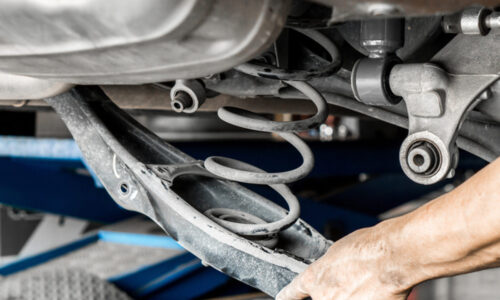

The used vehicle market is under intense scrutiny as online platforms face growing accusations of allowing fake or altered maintenance records to circulate unchecked. Buyers who once relied on digital listings and car history reports as proof of reliability are discovering that these systems can be easily manipulated.
The core issue is simple: when vehicle history data is falsified, trust collapses, and the entire resale ecosystem becomes unstable.
Independent mechanics, regulators, and consumer advocates are now pushing for stronger verification systems and clearer accountability from digital marketplaces.
A Problem Hidden in Plain Sight
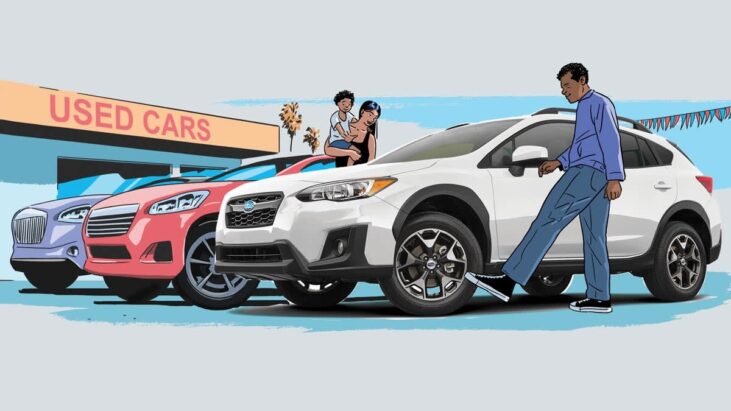
Over the last decade, car sales have shifted almost entirely online. Marketplaces like AutoTrader, Carvana, and Facebook Marketplace have made it easy for anyone to sell a vehicle with just a few clicks.
But the same digital convenience that simplifies buying also opens the door to deception.
Maintenance records, once printed and stamped by licensed garages, can now be forged, photoshopped, or compiled from unrelated vehicles.
Many of these forgeries go unnoticed because buyers rarely have access to a vehicle’s full service history directly from the repair shop.
Industry watchdogs report a steady increase in cases where odometer readings or service intervals are falsified.
In some instances, sellers inflate the value of older cars by fabricating full-service histories showing regular oil changes and timing belt replacements that never occurred.
For vehicles imported from overseas, records can even be rewritten in translation, with altered VINs or mechanic stamps to match U.S. standards.
Economic Pressures Make the Problem Worse
The rising price of new cars has funneled millions of buyers toward used options. In 2025, the average used car price in the U.S. surpassed $28,00 0, nearly 45 percent higher than in 2019.
That surge has created strong incentives for dishonest sellers to manipulate listings. A car with a “complete maintenance history” can sell for up to 20 percent more than a comparable vehicle without one.
Dealers and individuals both exploit this loophole. Some use third-party “record generators” to produce official-looking service documents, while others simply edit PDFs of legitimate maintenance forms.
The problem is compounded by the fragmented nature of the automotive repair industry, where thousands of small independent garages operate without centralized databases. Without a unified verification system, buyers are left to take sellers at their word.
How Buyers Are Being Misled

A key concern is how easily falsified data can be made to appear legitimate. Carfax and AutoCheck reports remain the most trusted sources for vehicle history, but they rely on reported data from repair shops, insurers, and DMVs.
If a service center fails to report work, or if a forged invoice mimics an official entry,buyers can be misled into thinking a vehicle is well-maintained.
Another trend involves digital images of “maintenance logs.” Unscrupulous sellers post photos of neat service booklets with forged mechanic signatures or fake dealership stamps.
Buyers scrolling through listings rarely verify them. Some private sellers even copy legitimate service records from other vehicles with the same make and model, swapping out the VIN before uploading.
Digital Authentication Tools Are Emerging
In the middle of this growing problem, technology firms are racing to provide authentication tools to verify documents and detect AI-generated text or forged data.
Platforms such as chatgpt detector are already being adapted beyond text verification to flag suspicious or synthetic content patterns in uploaded files, including falsified service records or warranty claims. These tools analyze metadata, file origins, and language consistency, helping marketplaces identify anomalies before listings go live.
For example, AI-based document scanners can detect inconsistencies between mechanic stamps and dates, or mismatched VIN fonts across forms.
Blockchain-backed record systems, meanwhile, are being tested in Europe to permanently store verified maintenance logs, creating a tamper-proof chain of data from manufacturer to mechanic to buyer.
Such technologies are still emerging, but they represent the clearest path to restoring confidence in online vehicle sales.
Regulation Is Lagging Behind
Despite the scope of the issue, regulation has not kept up. The U.S. Federal Trade Commission (FTC) enforces rules against deceptive automotive advertising, but there is no federal standard for verifying maintenance records. State-level laws differ widely. In some states, falsifying mileage readings is a criminal offense, yet falsifying service documents remains a civil matter.
That inconsistency creates a gray zone where fraud flourishes.
Consumer advocates argue that online marketplaces should bear partial responsibility. Platforms profit from listings but rarely verify supporting documentation.
A push is underway for a “verified maintenance badge” system, similar to the verified seller checkmarks seen in e-commerce, where only documents confirmed by licensed mechanics or centralized databases would qualify.
Industry Reactions and Accountability

Major marketplaces have acknowledged the issue but are hesitant to implement costly verification systems. Carvana has introduced more transparency features, including 360-degree vehicle inspections and third-party reports, yet it still depends heavily on uploaded records. Independent used car dealers often operate without oversight, making enforcement nearly impossible.
Mechanic associations and dealership networks have called for the creation of a nationwide maintenance record registry, essentially a digital DMV for car service data.
Such a system would allow buyers to trace every oil change, brake replacement, or recall fix directly to the licensed shop that performed it. Without it, experts warn that public trust in used car listings will continue to decline.
The Consumer Impact
For everyday buyers, the consequences can be severe. Purchasing a car with fake maintenance history can lead to major repair costs, safety risks, and voided warranties.
For instance, a vehicle advertised as having a “recently replaced timing chain” might actually be one failure away from catastrophic engine damage. Insurance disputes also arise when maintenance claims turn out to be unsupported by real service documentation.
Buyers can protect themselves by demanding verifiable records directly from service providers, checking for inconsistencies between digital and printed documents, and verifying VIN numbers through state databases. Simple red flags include inconsistent fonts, vague service descriptions, and incomplete mechanic details.
The Push for Transparency
Technological and policy changes are slowly gaining traction. In some European markets, repair shops are now required to upload service data directly to manufacturer-linked databases.
That model reduces fraud dramatically, as each entry is timestamped and tied to the vehicle’s VIN. If adopted in the U.S., similar systems could standardize maintenance reporting and eliminate the market for falsified PDFs.
Auto manufacturers are also taking notice. Brands like Toyota and BMW are expanding their “Connected Car” services, allowing real-time transmission of service data from vehicles to cloud-based databases.
These direct manufacturer channels could eventually replace paper invoices altogether.
Conclusion
The problem of fake maintenance records has transformed from an isolated scam into a systemic weakness within the used car market.
As long as verification remains optional, fraud will thrive in the gap between convenience and accountability.
The solution lies in digital transparency: verified databases, AI-backed authenticity checks, and better enforcement. Buyers now face a crucial question: how much can they trust a document they cannot verify?