
A flat tire after midnight. A dead battery in the grocery store parking lot. Headlights that suddenly go dark on a lonely stretch of highway.
Those are the moments that remind us why a well-packed trunk is not a luxury but a necessity.
You do not need a full workshop on wheels, but you do need a compact, carefully chosen toolkit that keeps you safe, visible, and capable of solving the most common roadside problems.
With that said, we prepared a practical guide to building a trunk kit that actually works in real life. Let’s get into it.
Key Points
- A trunk kit is essential for safety, quick fixes, and comfort during breakdowns.
- Prioritize visibility first: warning triangle, vest, flashlight, and first aid.
- Include tools for common fixes: tire inflator, jack, plug kit, jump starter, hand tools.
- Add comfort items: water, snacks, blankets, phone charger, and seasonal gear.
Why Every Driver Needs a Trunk Toolkit
Even the best-maintained vehicles are not immune to failure. Batteries give up in extreme heat or cold. Tires lose pressure with temperature swings.
Headlights blow a fuse at the worst possible time. According to NHTSA , more than 11,000 tire-related crashes occur each year in the U.S., and 646 people lost their lives in tire-related crashes in 2023.
Also, brands like Hubtrac Reifen from Austria emphasize how tire reliability plays a direct role in safety.
That is not just “bad luck.” It is a reminder that preparation matters. A smart kit not only keeps you safe but can save you hours of stress and, in some cases, even save lives.
NHTSA’s official roadside safety guidance calls for a phone charger, first aid kit, flashlight, flares or a warning flag, jumper cables, tire pressure gauge, jack, tools, food, water, maps, and emergency blankets. Motoring organizations worldwide echo that advice.
But how do you pack it all without filling half the trunk? The key is to think in three layers :
- Stay visible and safe
- Fix what you can
- Stay comfortable while you wait
Layer 1: Stay Visible and Safe
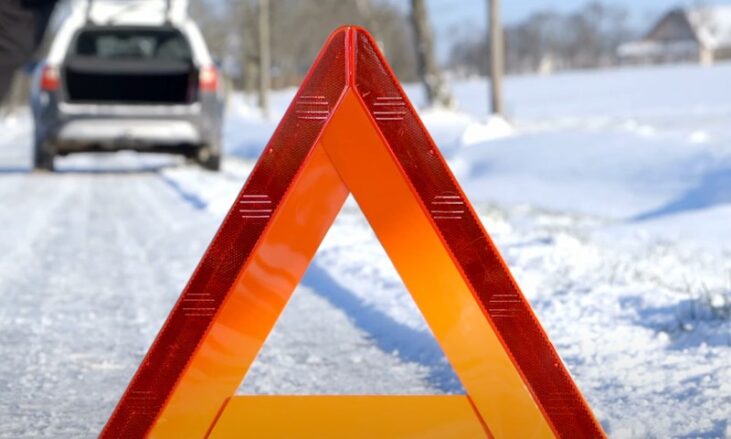
When the car stops, the first priority is making sure you are seen. Before tools or fixes, visibility protects you from further danger.
Reflective Warning Triangles or Flares
The first priority is to make sure other drivers see you. A reflective triangle is simple, clean, and reusable.
Place one at least 30 meters (100 feet) behind your vehicle in normal conditions. In poor visibility, stretch it out farther.
- In Europe: Countries like France and Germany legally require a warning triangle .
- In the U.S.: NHTSA advises carrying flares or a white flag, but triangles are increasingly recommended because they don’t expire or create fire risks.
High-Visibility Vest
It may look like overkill until you stand on the shoulder at night. A reflective vest makes you visible to oncoming traffic and is required in several EU countries.
Keep it in the cabin, not the trunk: you need to put it on before you step outside.
Flashlight or Headlamp
Breakdowns rarely happen at noon on sunny days. A flashlight is on every major safety list: Red Cross, CHP, RAC.
A headlamp is even better since it frees your hands for tools. Choose a rechargeable unit with backup batteries.
First Aid Kit
A first aid kit handles cuts from sharp metal, burns from hot surfaces, or simple scrapes. At minimum, you want:
- Adhesive bandages
- Antiseptic wipes
- Gauze and tape
- Scissors and tweezers
- Disposable gloves
Motoring clubs like the AA recommend buying a compact but comprehensive kit rather than piecing one together.
Layer 2: Fix What You Can
@caylastoyreview Portable tire inflator! A must have for any vehicle!#portabletireinflator #tireinflator #cargadgets #airpump #cartiktok #tiktokshopholidayhaul #tiktokshopfinds
Sometimes the problem is small enough that you can handle it yourself. With a few basic tools, you can patch, pump, or restart and keep moving.
Tire Pressure Gauge and Portable Tire Inflator
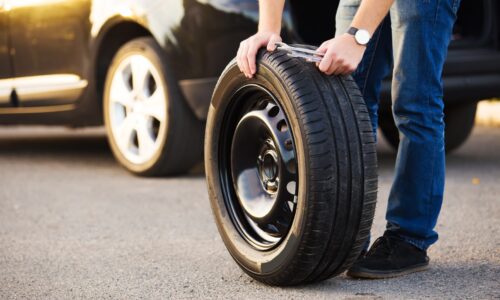
Tire issues are the most common roadside problem. A tire that is even a little underinflated loses grip and burns more fuel.
- NHTSA: Check tire pressure, including the spare, at least once a month.
- Consumer Reports: Recommends portable inflators that reach at least 50–60 psi and feature automatic shutoff.
Pro Tips
- Always recheck after the tire has cooled.
- Keep valve caps in place to prevent debris leaks.
Compact Jack, Wheel Wrench, and Locking Wheel-Nut Key
Every car comes with a jack and wrench, but they are often flimsy. Consider upgrading to a more stable compact jack.
And if your wheels use locking nuts, that key belongs in the glovebox or trunk pouch, not at home.
Tire Plug Kit and Sealant
A plug kit covers small tread punctures from nails or screws. Tire sealant buys you time to limp to a shop. The AA and RAC both list them among essentials.
Jumper Cables or Portable Jump Starter
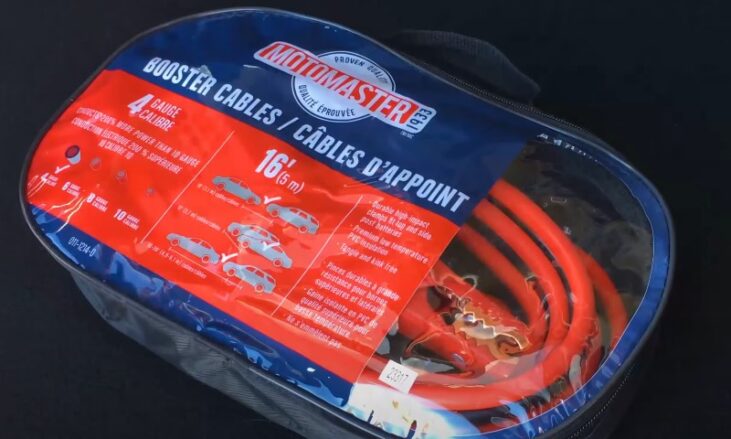
Dead batteries are predictable, especially in summer heat. Jumper cables are the classic solution, but a portable jump starter gives you independence when no one else is around.
- NHTSA: Includes jumper cables in its kit list.
- AAA: Advises carrying a jump solution year-round.
When buying a jump starter, check its cold-cranking amp rating against your engine size.
Basic Hand Tools
A compact roll can handle dozens of minor issues. Essentials include:
- Flathead and Phillips screwdrivers
- Adjustable wrench
- Pliers
- Utility knife
Spare Fuses and a 12 V Test Light
Blown fuses can shut down headlights, wipers, or power windows. Carry the correct fuses for your car along with a cheap test light. CHP explicitly lists spare fuses in its recommended gear.
OBD-II Code Reader (Optional, but Valuable)
Since 1996, every car sold in the U.S. has an OBD-II port. A simple scanner helps you check a “check engine” light. Even if you do not fix it yourself, you will know if it is safe to drive or if you need a tow.
Fire Extinguisher
A compact ABC dry chemical extinguisher is suitable for fuel and electrical fires. Keep it secured in the trunk to prevent it from rolling. The U.S. Fire Administration emphasizes regular checks of the pressure gauge.
Layer 3: Stay Comfortable While You Wait
When the fix is out of your hands, comfort becomes survival. A few simple supplies can turn a long, stressful wait into something manageable.
Water and Snacks
Breakdowns are stressful. Dehydration makes it worse. Ready.gov and NSC both recommend keeping two liters of water per person plus calorie-dense snacks like protein bars. Rotate stock twice a year.
Blankets and Seasonal Gear
A blanket in winter can prevent hypothermia. In summer, add sunscreen and a hat. Consumer Reports regularly stresses seasonal readiness.
Phone Charger and Power Bank
A dead phone can turn a flat tire into a crisis. Keep a car charger plugged in, and carry a power bank of at least 10,000 mAh . That is enough for two full recharges on most smartphones.
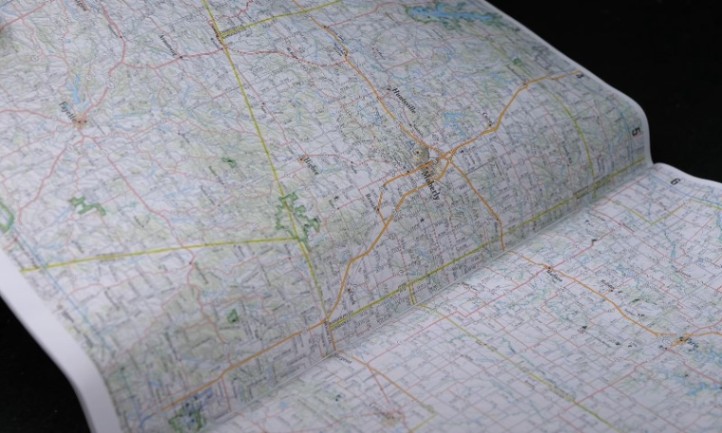
Paper Map
GPS apps are great until you are out of service. A simple regional paper map, as NHTSA suggests, ensures you are never stranded without directions.
Traction Aids for Winter
Cat litter or sand improves grip when stuck in snow or ice. Combine with a compact shovel and you have a fighting chance to free yourself. The RAC includes both in its winter emergency kit advice.
Quick-Look Trunk Kit Checklist
| Category | Essentials |
| Safety & Visibility | Warning triangle, hi-vis vest, flashlight or headlamp, first aid kit |
| Fix & Go | Tire gauge, portable inflator, jack, wheel wrench, wheel-nut key, plug kit, sealant, jumper cables or jump starter, hand tools, duct tape, zip ties, spare fuses, test light, fire extinguisher, optional OBD-II scanner |
| Comfort & Survival | Water, snacks, blanket, seasonal gear, phone charger, power bank, paper map, shovel, cat litter/sand |
Regional Notes for European Drivers
If you are driving across borders in Europe, rules vary.
- France: Requires both a reflective vest and a warning triangle in all passenger vehicles.
- Germany and Italy: Enforce similar requirements, with fines for non-compliance.
- General EU guidance: Check the specifics before each trip. Some countries also require a first aid kit, spare bulbs, or winter tires under certain conditions.
Habits That Keep Your Kit Effective
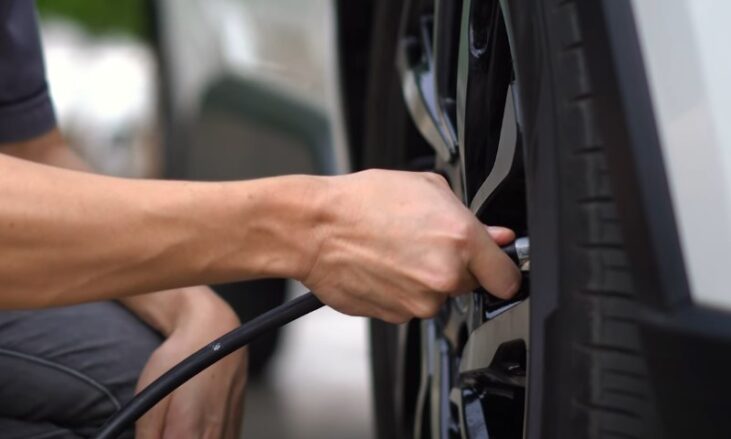
- Check tire pressure monthly (including the spare).
- Rotate food, water, and batteries every six months.
- Inspect your extinguisher and replace if expired.
- Practice using your tools at home. Try your jack and inflator in a driveway, not during a crisis.
- Label your pouches (First Aid, Tires, Power, Tools) so you can grab what you need fast.
How to Pack It Without Losing Cargo Space
- Use a soft bag or small bins. Keep them organized by category.
- Store safety gear within reach. The vest and flashlight should be in the cabin.
- Secure loose tools. A rolling wrench under the seat is more hazard than help.
What Not to Bother With
-
- Large toolboxes you will never use.
- Random fluids unless you know your vehicle’s exact spec.
- Gimmicky “survival” gadgets not backed by real testing or official lists.
The 10-Minute Starter Kit
If you want to get covered today, begin with these seven essentials:
- Warning triangle and hi-vis vest
- Flashlight and first aid kit
- Tire gauge and inflator
- Jack and wrench
- Jumper cables or jump starter
- Duct tape, zip ties, basic hand tools
- Water, snacks, blanket, power bank
That covers 90 percent of real roadside problems. Add the extras over time.
Final Words
A breakdown will never be fun, but it does not have to be dangerous or overwhelming. A well-chosen trunk kit keeps a flat tire or a dead battery from turning into a crisis.
Check your kit twice a year, learn your tools before you need them, and remember that being visible is half the battle.
When bad luck finds you, your kit should make the difference between sitting helplessly on the shoulder and calmly getting back on the road.