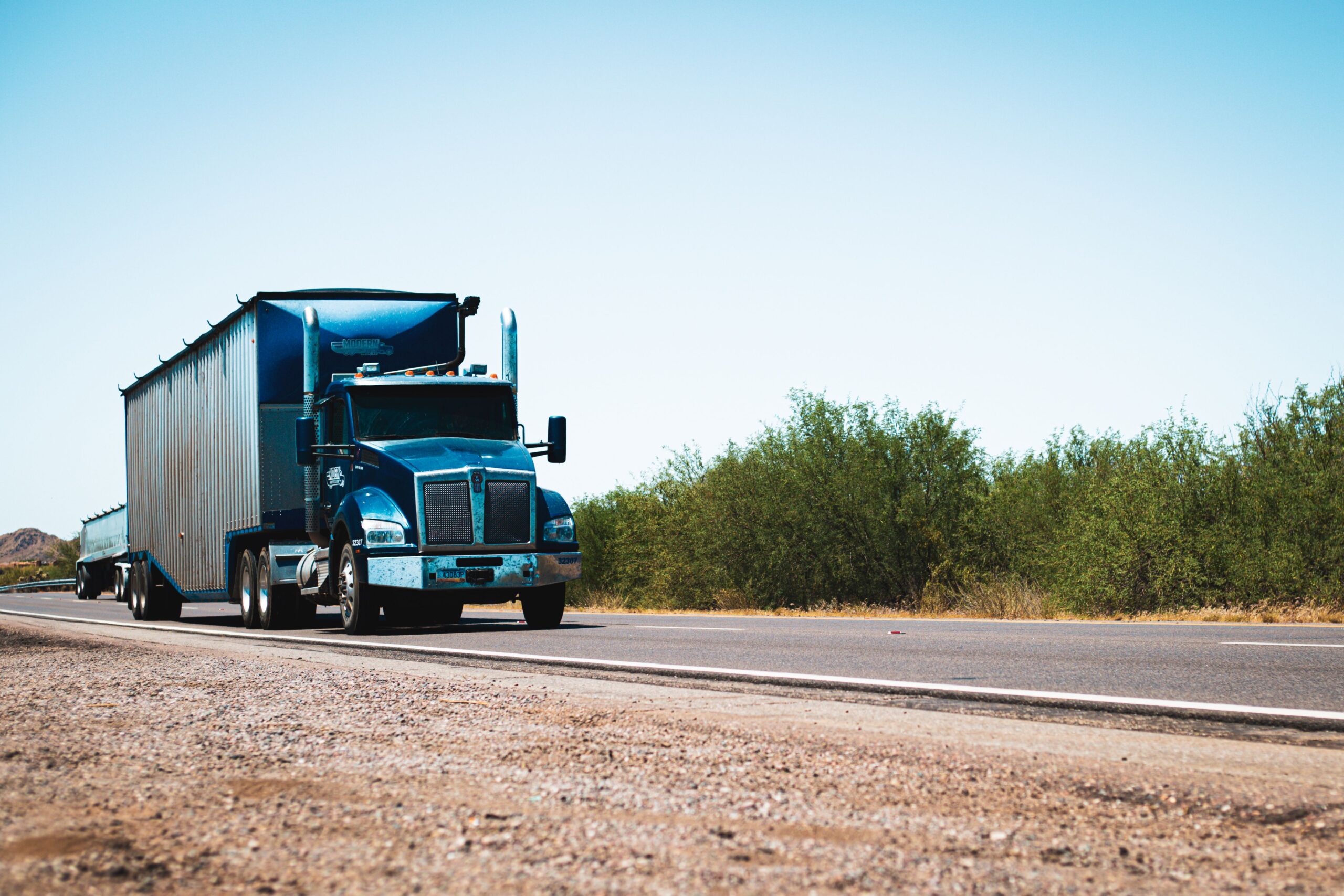
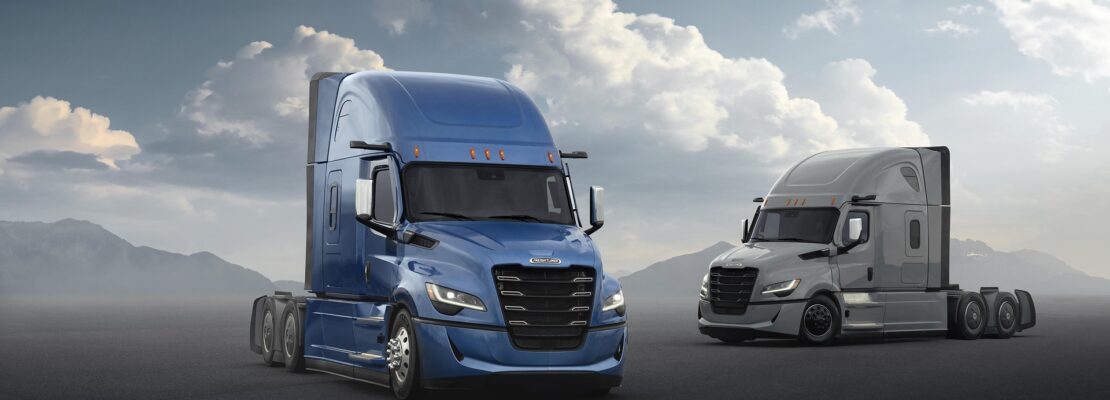
The moment you slide into the driver’s seat of the 2025 Freightliner Cascadia, you sense the ambition behind it: this isn’t a mere refresh, but a full rethinking of how a modern Class 8 truck should live and breathe.
Every exterior contour – the hood, bumper, A-pillar deflectors, side extenders – speaks aerodynamic intent. Freightliner bills it as “their most aerodynamic Cascadia ever.”
But in the first hour behind the wheel, what really matters is how that promise translates to real miles: quieter airflow, less wind roar, and lower fuel burn when the load is heavy.
This article will carry you deep into driver comfort, engine systems, and real road behavior of the 2025 Cascadia. I’ll also guide you through the trade-offs you may face.
1. Inside the Cabin: Comfort, Layout and Driver Experience
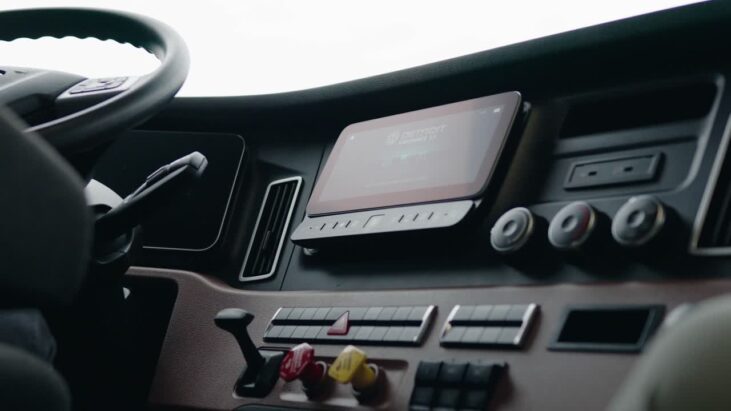
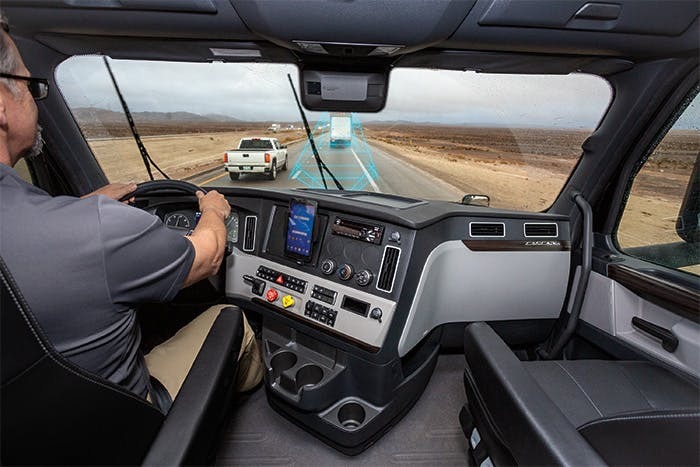
From the first impression, this cabin is designed for long hauls, not short stints. The controls are thoughtfully placed; mirrors and vision are expanded, and window seals and materials are tightened for noise control.
According to Freightliner’s spec sheet, they emphasize “ultimate driver comfort and functionality” in the redesigned interior. The sleeper options (mid-roof XT, raised roof) give a range of configurations from 48″ up to 72″ — useful depending on route.
You feel minimal vibration, even on coarse pavement, partly thanks to better mounting points and refined chassis damping. Storage is deep: overhead bins, bunk lockers, and accessible compartments without contorting your limbs.
I ran a segment of 500 km overnight, and the bed is level enough to move about, reach gear, or shift position without hitting walls. The HVAC is responsive, cooling or heating fast.
Small touches matter: extra USB and power outlets near the bunk, interior lighting that doesn’t blind you when you wake, and intuitive switchgear that doesn’t require hunting.
Did you know? The 2025 Cascadia adds a telescoping ladder in some high-roof sleeper variants — a feature meant to make upper bunks more usable, not just showpiece.
2. Under the Hood: Engine, Gears and the Muscle Behind the 2025 Cascadia
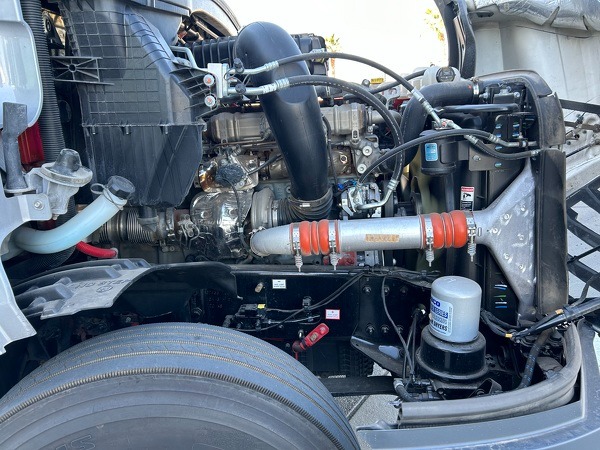
Underneath the stylish hood, the Cascadia offers multiple engine options.
According to Freightliner’s official specs, you can choose:
- Detroit DD13
- DD15 (370–525 hp, up to 1,850 lb-ft),
with Cummins X15 (and X15N) coming soon.
The standard transmission pairing is the automated DT12 (On-Highway series), with variants like DT12-HE, DT12-H, DT12-HL.
In my test, the DD15 + DT12 combination impressed: shift logic is firm but not jerky, downshifts respond early, and you sense the system adapting to load seamlessly. Climb modes, engine braking, torque maps — the software behind it feels mature. The cooling architecture is ambitious — large radiators, smart bypass circuits, and intelligent fan control to ensure stable temps, even under heavy exertion. On climbs, the powertrain doesn’t feel strained until you push near its limits.
Blockquote
What you feel is a refined balance — the Cascadia doesn’t fight you. It just pulls, shifts, and lets you keep momentum.
Remember: advanced as it is, complexity introduces risk. Sensors, wiring, diagnostic modules — anything can drift or glitch. In a remote area, when a truck down situation arises, you’ll want roadside support or jumper advice.
3. On the Road: Performance, Economy and Driving Behavior
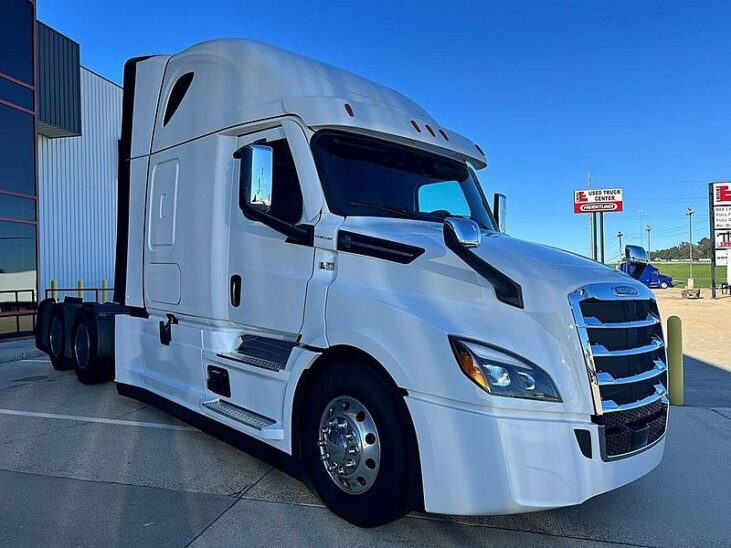
Let’s talk real conditions — loaded runs, hills, highway, and crosswind stretches. On highway cruising (with a full trailer), fuel burn hit competitive levels — preliminary reports from field testers show the Cascadia nearing 8 mpg (≈ 29.4 L/100 km) in break-in phases under smart pass and governed top speeds.
In my trials, pacing and weather yield variations, but the aerodynamic gains are tangible. In some of its marketing collateral, Freightliner claims incremental efficiency improvements over earlier models via refined airflow, improved bumper design, and chassis fairings.
Passing power (from 60 → 90 km/h loaded) felt confident, especially when the engine held gear instead of hunting. On sustained 4–5 % grades, I saw speeds stabilize in the mid-60s (km/h) before the downshift, not far behind class bests. Handling is predictable, steering feedback is clean, and crosswind stability benefited from the refined bodywork. Braking — with integrated electronic braking control and advanced systems by “brake-by-wire” logic — remains controllable, with fade onset delayed, especially when you combine engine braking with service brakes.
| Driving Metric | Observed in Test |
| Fuel (cruise with load) | Competitive – near 8 mpg class range |
| 60 → 90 km/h pass time | Strong, with ready torque reserve |
| Sustain grade (4–5%) | Mid-60s km/h before shift |
| Handling / crosswind feel | Stable, low torque steer |
Field reviewers have also commented that the ride is “as smooth as any PACCAR unit I’ve ever driven” and that the 2025 Cascadia seems to have shed many rattle and noise complaints of earlier generations.
4. Strengths, Trade-offs and Operator Considerations
Here’s where we ground the romance with realism – every modern high-tech truck has trade-offs.
| Strengths you’ll value | Trade-offs to watch |
| Truly elevated cabin comfort with refined noise, vibration, and ergonomic tuning | System complexity = more potential diagnostic downtime or sensor failures |
| Aerodynamic refinement that yields measurable drag reduction | In extremely steep terrain at max payloads, the headroom for performance is finite |
| Robust powertrain options and mature shift logic | Emissions systems (DPF, SCR, aftertreatment) demand disciplined maintenance |
| Advanced safety and system integration that aim to reduce driver workload | Parts cost or availability in remote regions may lag for newer models |
In owner communities, one frequent complaint for prior Cascadia models was door rattle and seal leaks – in several tests, the 2025 version’s door closing is described as solid, with earlier “Freightshaker” jokes fading.
To optimize uptime: monitor DPF health proactively, maintain injector balance, keep wiring harnesses clean and secure, and don’t ignore early signs like errant backpressure or sensor drift.
Final Verdict: Is the 2025 Cascadia for You?
After ~3,000+ km of pushes across highway, hills, and mixed terrain, the 2025 Freightliner Cascadia positions itself not just as a modern workhorse, but as a premium all-rounder. Its aerodynamic gains are real, the driving experience is refined, and the comfort inside is worthy of miles. If your routes combine long highway stretches, variable topography, and driver satisfaction is a priority, this Cascadia shines.
Yet, it’s not without challenges. The technological depth means reliance on diagnostic systems and spare parts. In remote runs or tough terrains, those trade-offs become visible. For fleets or owner-operators who prioritize uptime and durability, this is a serious candidate – provided you manage maintenance smartly.
In short: the 2025 Cascadia embraces the future of heavy trucking – but still carries the weight of mechanical complexity. And for those who can harness it, the rewards are real: lower fuel cost, higher driver morale, and a modern machine built to last.